
LUBRICATION / OIL LINES
Tubing for lubrication and
oil-transfer lines
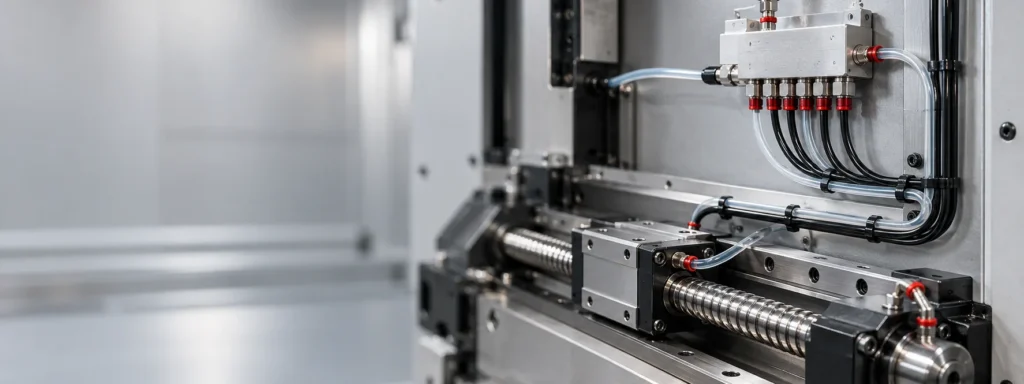
Review PA6, PA12 and high-pressure composite tubing for machine lubrication and oil-transfer lines. Identify the oil or grease, line pressure, temperature, tube dimensions and fittings before comparing models, and confirm each against the model data.
Scope note: Media in the supplied data sheets are a starting point; confirm the exact oil, additives, temperature and pressure for each line. Each line is reviewed individually.
QUICK SELECTION
Four details to prepare before comparing models
Gather these from the lubrication layout or oil circuit. They narrow the candidate families; the final model is confirmed against the listed specifications.
1. Medium
Lubricating, mineral or hydraulic oil, or grease: name it with any additives.
2. Tube OD × ID
Both dimensions, in mm, with tolerance if specified.
3. Pressure and temperature
Working pressure at the stated operating temperature.
4. Fixed or moving
Fixed line, or a moving machine axis or tool that needs bend space.
Start with the lubrication layout
Machine lubrication lines
For centralised or point lubrication on a machine tool or production line, list each lube point, the oil type, line length, tube OD and ID, fitting type and working pressure. Mark which lines are fixed and which move with an axis.
Vehicle and mobile-equipment oil lines
For oil lines on mobile or off-highway equipment, state the medium, operating temperature range, vibration and routing, and the fittings. Mark heat sources and abrasion points on the drawing.
High-pressure and transfer lines
Where line pressure is high, review the composite construction separately: identify the model, layer construction, medium and fittings, and confirm the working pressure for that model at the operating temperature.
From layout to a confirmed specification
01
Define the lubrication layout
Send the lube-point list or oil circuit with tube lengths, OD and ID.
02
Review candidate materials
Compare product data for the oil, pressure and temperature of each line.
03
Confirm a sample
Agree dimensions, fittings and acceptance criteria before the order.
CANDIDATE PRODUCT FAMILIES
Compare product information
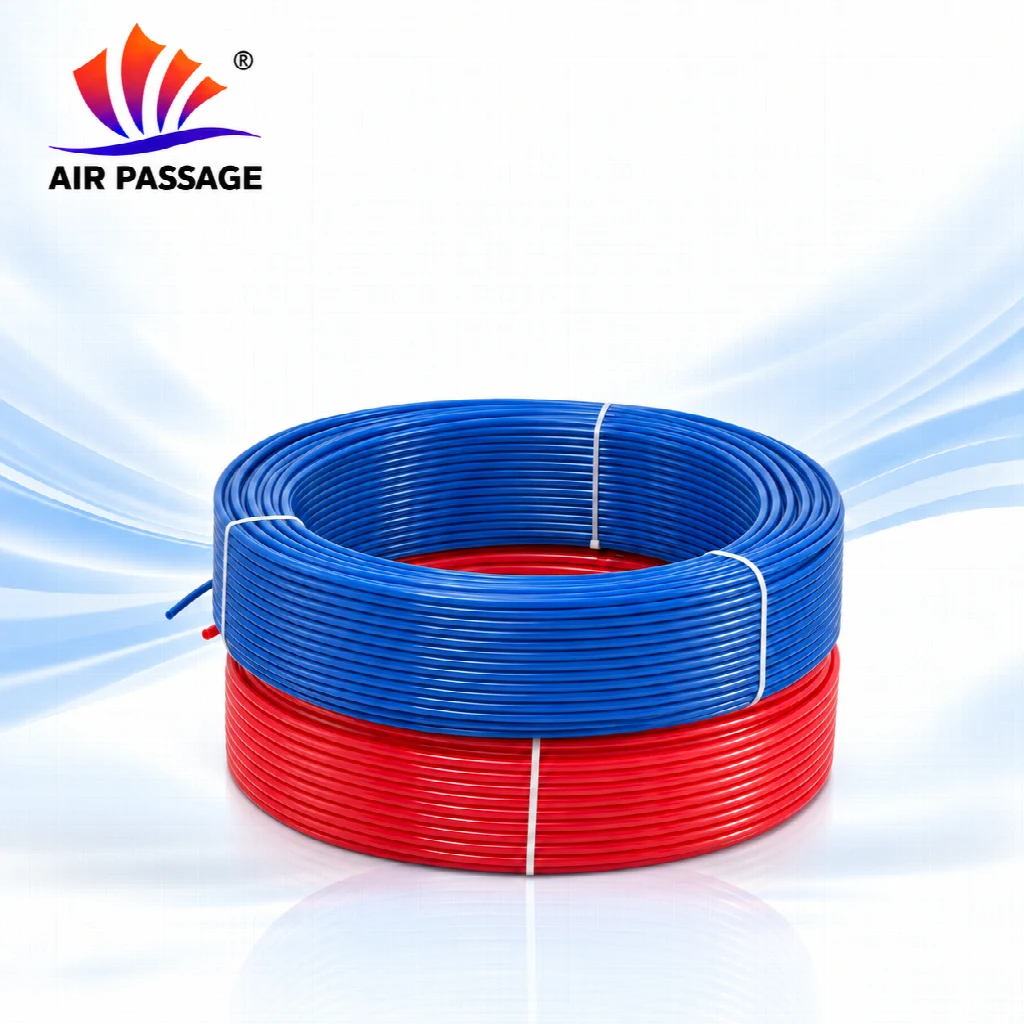
PA6 Nylon Tubing
Data-sheet media include lubricating oil, mineral oil, fuels and antifreeze: compare PA6 dimensions, pressure data and fittings against the line, and confirm the exact oil.
View specifications →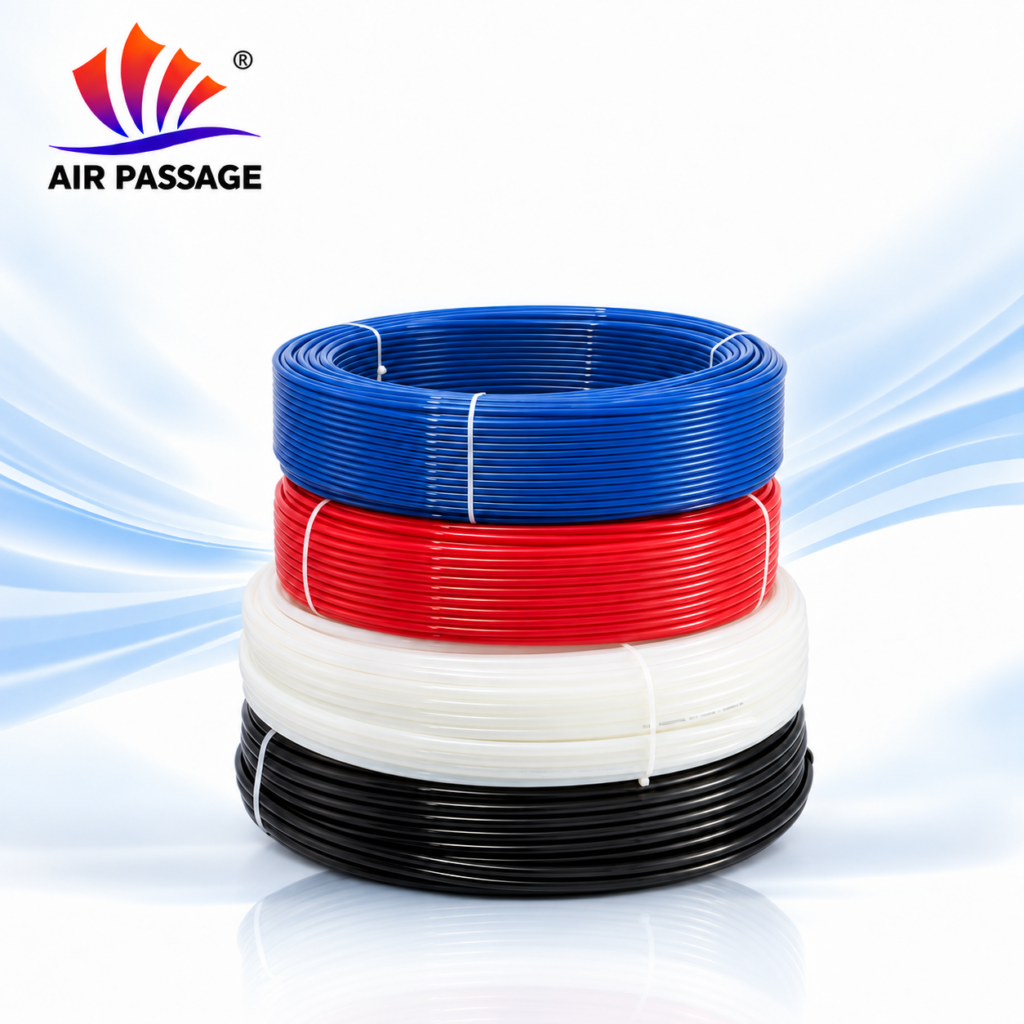
PA12 Nylon Tubing
Data-sheet media include mineral and hydraulic oil, diesel, petrol and antifreeze: review its own model data rather than carrying PA6 values across to the same nominal size.
View specifications →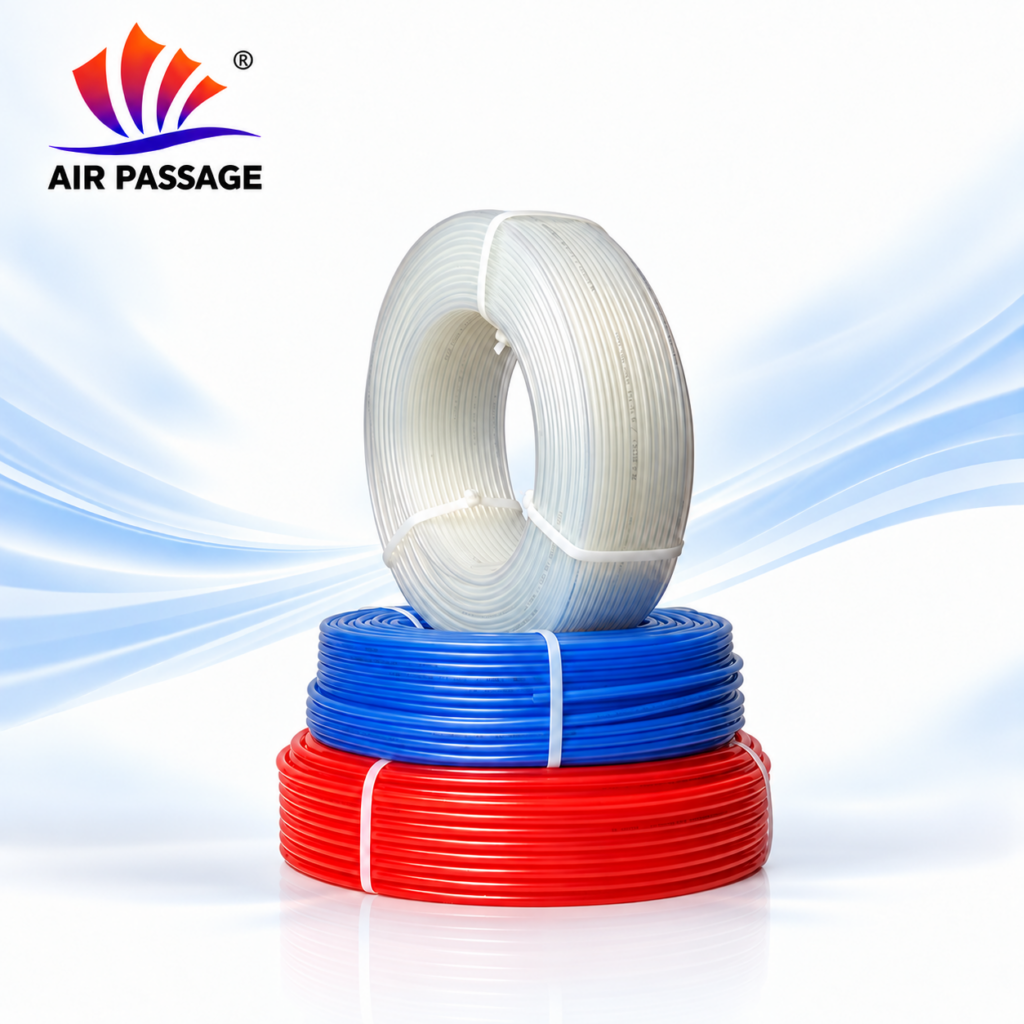
High-Pressure Composite Tubing
Data-sheet scope covers lubrication and oil transfer, spraying and demanding fluid systems: identify the model, construction, medium and fittings, and confirm working pressure for that model.
View specifications →Lubrication and oil-line tubing questions
Which nylon tubing should I consider for lubrication lines?
Compare PA6 and PA12 models against the same OD × ID, oil, temperature and pressure. The supplied data sheets list lubricating and mineral oil for PA6 and mineral and hydraulic oil for PA12; confirm each against the actual lubricant and additives. Use the PU versus nylon selection checklist to organize the comparison.
What should I send for a lubrication or oil-line enquiry?
Provide the lubrication layout or oil circuit, lubricant type, working and peak pressure, temperature, OD × ID, line lengths, fittings and quantity. The tubing dimension guide explains OD, ID and wall thickness.
Can PU tubing be used for oil lines?
The PU data sheet covers compressed air, inert gases and vacuum circuits and does not recommend continuous long-term transfer of large quantities of lubricating oil. Polyether tubing lists low-pressure lubricating oil; confirm the model, pressure and oil before use.
What is the difference between working pressure and burst pressure?
Working pressure is the pressure a line may operate at, at a stated temperature. Burst pressure is a test value, not a working limit. Read the working pressure and temperature review before specifying.
Prepare your project inquiry
Send the lubrication layout or oil circuit drawing, lubricant type, line pressure and temperature, OD × ID, line lengths, fitting details and quantities. Include any moving axes and a short layout sketch.