
CHEMICAL / INDUSTRIAL FLUID HANDLING
Fluoropolymer tubing for chemical
and industrial fluid handling
Review FEP and PFA tubing for chemical and industrial fluid lines: reservoir-to-equipment connections, sample transfer or a process line. Compare candidates using the actual medium, concentration and operating cycle; PE, polyether and composite tubing are reviewed only where the medium and construction are confirmed.
Scope note: Compatibility is confirmed against the exact medium, concentration and operating cycle.
QUICK SELECTION
Four details to define before a compatibility review
Start from the medium and the operating cycle. The final material is reviewed against the exact model and documents; a material name alone is not approval.
1. Medium and concentration
The exact liquid or mixture, concentration, impurities and cleaning agents.
2. Temperature, pressure and cycle
Continuous and peak temperature, pressure or vacuum, and exposure time, including start-up and cleaning cycles.
3. Connections and dimensions
Reservoir and equipment connections, OD × ID, route length and fitting interfaces.
4. Pump and documentation
Whether the tube passes through a pump, and any material-grade, cleanliness or compliance documents required.
Three questions before material selection
01
What flows through the tube?
Begin the tubing chemical compatibility review with the exact medium, concentration, impurities and cleaning agents. Suitability is confirmed per medium and model.
02
What are the operating conditions?
For transfer, sampling or a pressure/vacuum line, list continuous and peak temperature, pressure or vacuum, flow requirements and exposure time. Identify any start-up, shutdown or cleaning cycle that changes those conditions.
03
How is it connected and maintained?
Specify the reservoir and equipment connections, OD × ID, route length and fitting interfaces. If the tube passes through a pump, provide the pump method and its tubing specification for a separate compatibility review.
Make the required evidence explicit
Tell us whether your process requires material-grade documentation, cleanliness information or a specified compliance standard.
Read how to interpret reports →Confirm for the selected model
Polyurethane tubing chemical compatibility, like FEP, PFA or PE suitability, requires model-specific evidence. Food-contact, medical and high-purity requirements need their own supporting documentation; each is reviewed individually.
CANDIDATE PRODUCT FAMILIES
Compare product information
FEP Tubing
Review FEP tubing chemical compatibility for the actual medium, concentration, temperature and exposure time.
View specifications →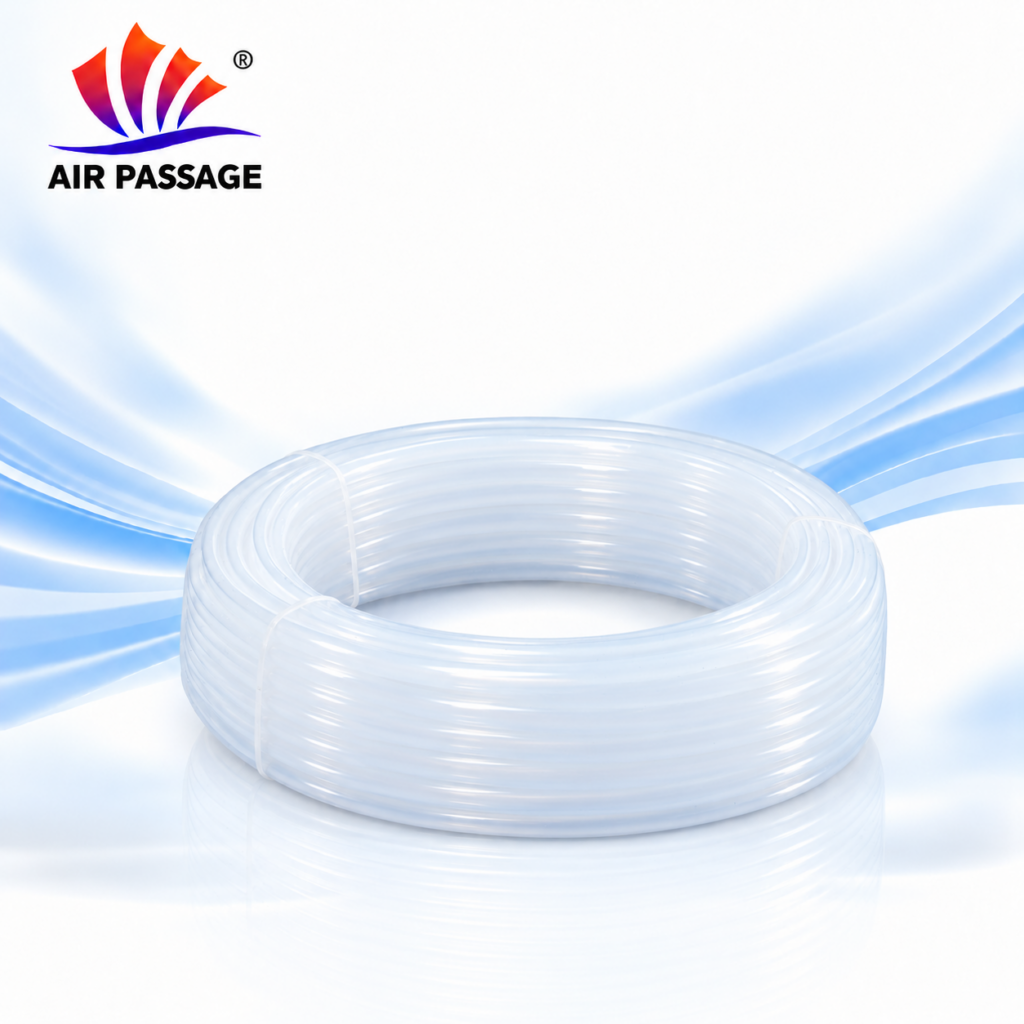
PFA / PRODUCT INFORMATION
PFA Tubing
Review PFA tubing chemical compatibility alongside the required grade, dimensions and documentation.
View specifications →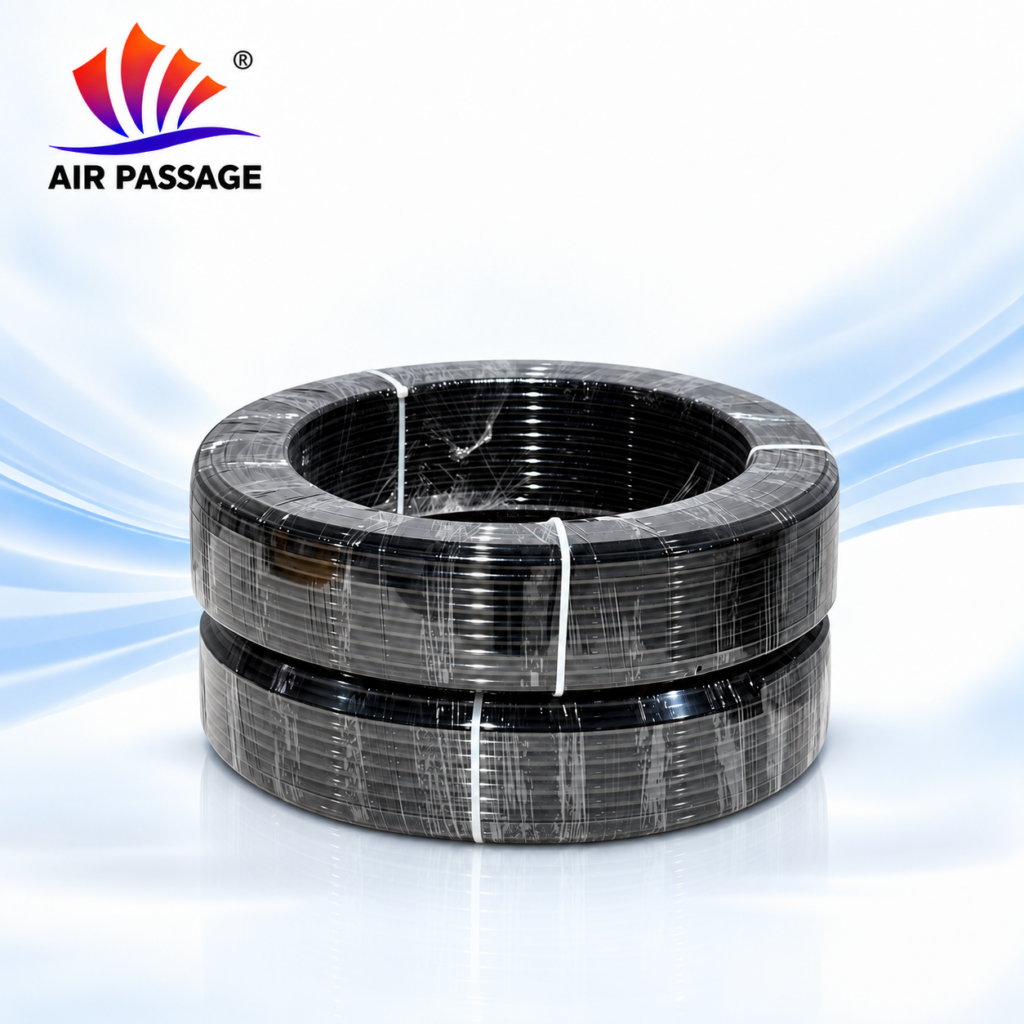
PE Tubing
Conditional candidate: discuss polyethylene tubing for the intended medium and selected model. Polyether or composite tubing are reviewed only where the medium and construction are confirmed.
View specifications →Fluid-line questions
How do I compare FEP and PFA tubing for a liquid line?
Review the exact FEP and PFA models against the same medium, concentration, exposure time, temperature, pressure and connection specification. Start with the FEP product information and PFA product information, then request model-specific supporting data.
How should I specify chemical resistant tubing for a compatibility review?
Provide the complete medium or mixture, concentration, impurities, temperature, pressure, contact duration and cleaning agents. Include the selected tube grade and any required test method; a general compatibility label cannot describe all these conditions.
Can laboratory tubing also be used in a peristaltic pump?
Confirm the pump’s required tubing material, dimensions and compression specification separately. A tube suitable for a static liquid path is not automatically suitable for repeated pump compression. No peristaltic suitability is implied for the listed families.
Are food-contact, medical or high-purity grades confirmed?
Those requirements need documents for the exact supplied model and relevant use. State the required standard in the inquiry. A material name, management-system certificate or sample RoHS report is documented separately from those approvals.
Prepare your project inquiry
Send the medium and concentration, operating and cleaning temperatures, pressure or vacuum, exposure time, OD × ID, fittings and quantity. Include required material-grade, cleanliness or compliance documents for the selected model.